Are you wondering if eating eggs every day is really good or bad for you? Eggs are a common part of many diets because they are tasty, easy to cook, and packed with nutrients.
But you might have heard mixed messages about whether daily egg consumption can harm your heart or raise cholesterol. What if you could enjoy eggs every day without worrying about your health? You’ll discover the truth behind eating eggs daily—how they affect your body, the benefits you might be missing, and simple tips to keep your meals both delicious and heart-friendly.
Keep reading to find out how you can make eggs a healthy part of your everyday routine.
Egg Nutrition Facts
Eggs offer a rich mix of nutrients in a small package. They provide essential building blocks for the body and support overall health. Understanding their nutrition helps decide how often to eat them.
Each egg contains important proteins, fats, vitamins, and antioxidants. These nutrients work together to fuel the body and protect cells from damage.
Protein And Healthy Fats
Eggs are a great source of high-quality protein. This protein helps build and repair muscles and tissues. One large egg has about 6 grams of protein.
Eggs also contain healthy fats. These fats support brain health and provide long-lasting energy. Most fat in eggs is unsaturated, which is better for the heart.
Vitamins And Antioxidants
Eggs provide many important vitamins like vitamin D, B12, and riboflavin. Vitamin D helps with bone health and immune function.
Antioxidants in eggs, such as lutein and zeaxanthin, protect eye health. They reduce the risk of age-related eye problems.
These vitamins and antioxidants make eggs a smart choice for a balanced diet.
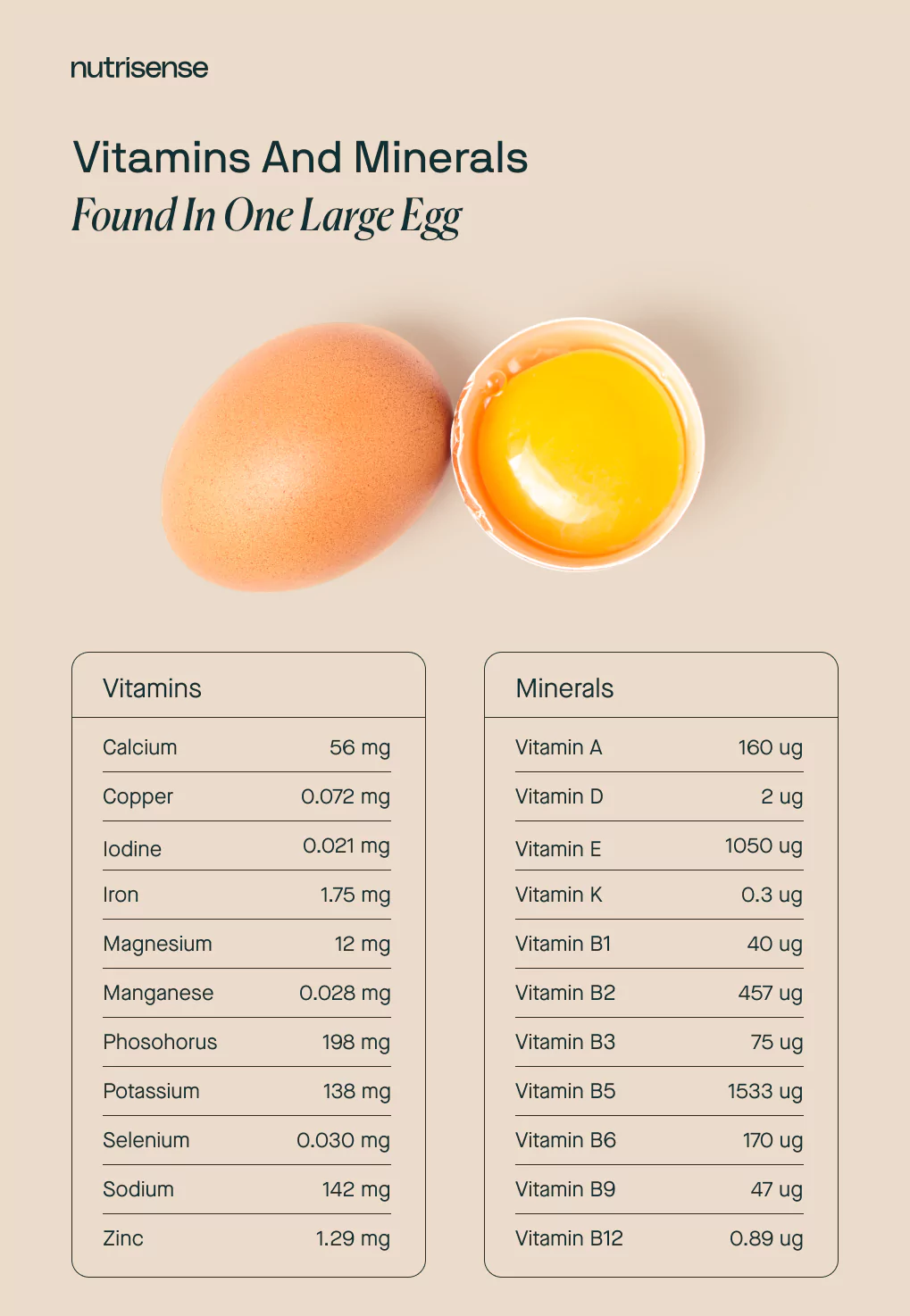
Credit: www.nutrisense.io
Daily Egg Benefits
Eggs are a simple food with many health benefits. Eating eggs daily can support different parts of your health. They offer important nutrients that help your body work well. Here are some key benefits of eating eggs every day.
Weight Management
Eggs contain high-quality protein that helps keep you full. Feeling full longer can stop overeating and reduce snacking. This helps control your calorie intake. Eggs are low in calories but very filling. They make a smart choice for weight control.
Muscle Growth And Repair
Protein in eggs supports muscle growth and repair. This is important after exercise or physical work. Eggs provide all essential amino acids your body needs. Eating eggs daily helps maintain strong muscles. They are a good food for active people.
Energy And Appetite Control
Eggs provide steady energy throughout the day. The protein and healthy fats slow down digestion. This helps avoid sudden hunger and energy drops. Eating eggs can help balance your appetite. It keeps you energized and focused longer.
Eggs And Heart Health
Eggs often spark debate about their impact on heart health. Many wonder if eating eggs daily raises the risk of heart disease. Research shows eggs contain important nutrients that support the heart. Yet, concerns about cholesterol in eggs remain common. Understanding the facts helps separate myths from science. This knowledge guides better food choices for heart wellness.
Cholesterol Myths
Eggs do contain cholesterol, mostly in the yolk. For years, people thought this cholesterol raised blood cholesterol levels. Studies now reveal dietary cholesterol has a small effect on most people’s blood cholesterol. The body adjusts by producing less cholesterol when more is eaten. Saturated and trans fats have a bigger impact on blood cholesterol than eggs. Eating eggs in moderation is safe for heart health.
Egg Yolks Vs Egg Whites
The yolk holds most of the nutrients, including vitamins A, D, E, and B12. It also has healthy fats that help the body absorb vitamins. Egg whites are mostly protein and contain no cholesterol or fat. People watching cholesterol may choose egg whites only. Whole eggs provide more nutrition than whites alone. Balancing whole eggs with other healthy foods supports heart health.

Credit: www.thehealthy.com
Safe Egg Consumption Limits
Eggs are a popular food packed with nutrients. Eating them safely means knowing the right limits. Too many eggs might raise cholesterol for some people. It is important to balance egg intake with other healthy foods. Understanding safe egg consumption helps protect your heart and overall health.
Eggs offer protein, vitamins, and minerals. Yet, moderation is key. Following recommended guidelines ensures benefits without risks. Let’s explore how many eggs you can eat safely each week.
Recommended Weekly Intake
Most experts suggest eating up to seven eggs per week. This limit suits healthy adults without heart disease. Seven eggs spread out over a week fits well into a balanced diet. Some people eat the egg whites only to reduce cholesterol intake. Eating eggs with vegetables or whole grains improves nutrition.
Consulting Healthcare Providers
Individual health conditions affect egg tolerance. People with high cholesterol or heart disease should ask their doctors. Healthcare providers can give advice based on your blood tests and health history. Personalized guidance helps you enjoy eggs safely. Always check with your healthcare professional before making big diet changes.
Healthy Egg Preparation
Eggs are a nutritious food, but how you prepare them matters a lot. Healthy egg preparation can boost benefits and reduce health risks. Simple cooking methods keep eggs tasty and good for you. Avoid heavy fats and keep ingredients fresh for the best results.
Cooking Methods To Avoid
Frying eggs in a lot of butter or oil adds unhealthy fats. Deep-frying eggs increases calories and can harm heart health. Cooking eggs with bacon or processed meats adds saturated fat. Avoid cooking eggs with too much cheese or creamy sauces. These methods reduce the health benefits of eggs.
Better Ingredient Choices
Use olive oil or a small amount of avocado oil for cooking eggs. Add fresh vegetables like spinach, tomatoes, or peppers for extra nutrients. Herbs such as parsley or chives add flavor without extra calories. Try poaching or boiling eggs to keep them low in fat. These choices make eggs a healthy part of your meal.

Credit: parade.com
Potential Risks And Precautions
Eating eggs every day offers many benefits, but some risks exist. Being aware of these risks helps keep you safe. Knowing precautions ensures you enjoy eggs without harm.
Allergies And Sensitivities
Egg allergies can cause mild to severe reactions. Symptoms include hives, stomach pain, or difficulty breathing. People with allergies must avoid eggs entirely. Sensitivities may cause digestive issues like bloating or gas. Testing by a doctor can confirm allergies or sensitivities. Always listen to your body’s signals after eating eggs.
Balancing With Overall Diet
Eggs contain cholesterol, which may affect heart health in some people. Eating too many eggs without other healthy foods can be risky. Balance eggs with fruits, vegetables, and whole grains. Avoid cooking eggs with too much butter or fatty meats. Moderation and variety protect your heart and overall health.
Frequently Asked Questions
Is It Really Okay To Eat Eggs Every Day?
Eating eggs daily is generally safe for most healthy people, providing essential nutrients and protein. Limit added fats and balance your diet.
Can You Eat Eggs Every Day Safely?
Yes, most healthy adults can safely eat one to two eggs daily. Eggs provide essential nutrients and protein without harming heart health when consumed in moderation.
How Many Eggs Are Healthy Per Week?
Up to seven eggs per week is considered safe for most people. This amount supports nutrient intake without increasing cholesterol risks significantly.
Are Egg Yolks Harmful To Health?
Egg yolks contain cholesterol but also provide important vitamins and antioxidants. Eating whole eggs in moderation is generally healthy for most individuals.
Conclusion
Eggs can be part of a healthy diet for most people. Eating one or two eggs daily provides important nutrients and protein. Choose cooking methods that use less fat, like boiling or poaching. Balance eggs with vegetables and whole grains for better health.
Some may prefer egg whites to reduce cholesterol intake. Always listen to your body and check with a doctor if unsure. Enjoy eggs in moderation and keep meals varied for best results. Healthy habits matter more than any single food choice.