Are you wondering if you can go through egg retrieval while still breastfeeding your baby? It’s a common question with no one-size-fits-all answer.
Your body is already going through a lot, and adding fertility treatments can feel overwhelming. But what if you don’t want to stop nursing? How will the process affect your milk supply, hormone levels, and chances of success? You’ll get clear, practical insights about the risks and realities of egg retrieval during breastfeeding.
By the end, you’ll feel more confident making the best choice for your family and your fertility journey. Keep reading to uncover what you really need to know.
Breastfeeding And Fertility Hormones
Breastfeeding affects a woman’s fertility hormones in many ways. Understanding these changes helps explain how egg retrieval fits into this period. Hormones during breastfeeding work to support milk production and often suppress ovulation.
This natural hormonal shift can influence fertility treatments and timing for egg retrieval. Knowing the role of key hormones is important for making informed decisions.
How Prolactin Affects Ovulation
Prolactin is the hormone responsible for milk production. Its levels rise significantly during breastfeeding. High prolactin can stop the release of hormones needed for ovulation. Without ovulation, no eggs mature for retrieval.
Because prolactin suppresses the menstrual cycle, many breastfeeding women experience irregular or absent periods. This natural form of contraception is called lactational amenorrhea. It can make fertility treatments more complex.
Hormonal Changes During Breastfeeding
Besides prolactin, other hormones shift during breastfeeding. Estrogen and progesterone levels are often lower. These hormones normally prepare the body for ovulation and pregnancy. Their reduction can delay the return of fertility.
Breastfeeding also triggers the release of oxytocin, which helps with milk letdown. Oxytocin does not directly affect fertility but supports the breastfeeding process. Overall, these hormonal changes create a unique environment in the body.
Understanding these shifts helps explain why egg retrieval during breastfeeding requires careful medical guidance. Fertility specialists consider these hormone levels before starting treatments.

Credit: www.youtube.com
Impact Of Egg Retrieval On Breastfeeding
Egg retrieval is a key step in fertility treatment. Breastfeeding adds complexity to this process. Understanding how egg retrieval affects breastfeeding helps mothers make informed choices. The hormonal changes and medications used during egg retrieval may influence milk production and safety for the nursing baby.
Consulting with healthcare providers is important before starting egg retrieval. This ensures the well-being of both mother and child during fertility treatment.
Effects Of Fertility Medications On Milk Supply
Fertility medications can lower milk supply significantly. Drugs used to stimulate the ovaries may reduce the volume of breast milk. Some women notice a drop in supply shortly after starting treatment. The body’s hormonal balance shifts, affecting milk production.
High prolactin levels caused by breastfeeding may also interfere with medication effectiveness. This can make egg retrieval less successful. Mothers might need extra support to maintain breastfeeding during treatment.
Medication Safety And Nursing Considerations
Not all fertility drugs are safe for nursing mothers. Some medications may pass into breast milk and affect the baby. Doctors often recommend “pump and dump” during certain treatments to protect the infant.
Letrozole, a common fertility drug, is generally not advised while breastfeeding. Careful planning with a reproductive specialist helps balance treatment and breastfeeding needs. Monitoring both mother and baby is crucial for safety.
Timing Egg Retrieval While Nursing
Timing egg retrieval while nursing requires careful planning. Breastfeeding affects hormone levels and can influence treatment success. Coordinating the right time for egg retrieval helps protect milk supply and improves outcomes. Discussing timing with a fertility specialist ensures personalized care.
Recommended Waiting Periods
Doctors often suggest waiting several months after childbirth before starting egg retrieval. This allows hormone levels to stabilize. Waiting also helps reduce risks linked to fertility medications and breastfeeding. Some women may wait until they stop nursing completely. Others may begin treatment once milk supply adjusts. The right waiting period depends on individual health and fertility goals.
Factors Influencing Treatment Scheduling
High prolactin from breastfeeding can delay ovulation and affect egg quality. Fertility drugs may lower milk production, causing concerns for nursing mothers. Certain medications are unsafe during breastfeeding and may require temporary weaning. The intensity of breastfeeding and the mother’s overall health also play roles. Fertility specialists assess these factors before setting a treatment date.

Credit: www.newlife-ivf.co.uk
Risks And Challenges
Egg retrieval while breastfeeding involves certain risks and challenges. These stem mainly from hormonal changes caused by nursing. Understanding these factors helps in making informed decisions. Below are key concerns to consider before proceeding with egg retrieval during breastfeeding.
Reduced Success Rates Due To Hormonal Interference
Breastfeeding raises prolactin levels, a hormone that can disrupt normal ovulation. High prolactin may block the hormones needed for egg growth and release. Fertility medications might not work as well because of this interference. This can lower the chances of collecting mature eggs. The body’s natural cycle changes from breastfeeding can make stimulation less effective.
Potential Impact On Milk Production
Fertility drugs used during egg retrieval can reduce milk supply. Some medications might pass into breast milk, causing concern for the baby. This may require temporary stopping of breastfeeding or expressing milk to discard. Stress from medical procedures can also affect milk production. Mothers should plan for possible changes in feeding during treatment.
Strategies For Managing Breastfeeding During Treatment
Managing breastfeeding during egg retrieval treatment requires careful planning. Balancing nursing and fertility procedures can be challenging. This section offers practical strategies to help mothers navigate this phase smoothly. Understanding options can ease stress and support both treatment and breastfeeding goals.
Discuss your plans with your fertility specialist. They can guide you based on your health and treatment plan. Knowing what to expect helps you prepare emotionally and physically.
Weaning Vs. Continuing To Nurse
Some mothers choose to wean before starting egg retrieval. Weaning may reduce hormone interference and improve treatment success. It also helps avoid medication effects on breast milk.
Continuing to nurse is possible but may affect milk supply. Fertility drugs can lower milk production temporarily or permanently. Hormones from breastfeeding might slow ovulation, reducing treatment effectiveness.
Consider your comfort and your baby’s needs. Gradual weaning can ease emotional and physical changes. Your doctor can help decide the best approach for you.
Pump And Dump Guidelines
Some fertility medications pass into breast milk. Pumping and discarding milk helps keep your baby safe. Follow your doctor’s advice on how long to pump and dump.
Store expressed milk before treatment if possible. This milk can feed your baby during the pump and dump period. Stay hydrated and rest to support milk supply.
Keep clear communication with your healthcare provider. They will update you on medication safety and timing. This practice protects your baby and supports your treatment plan.
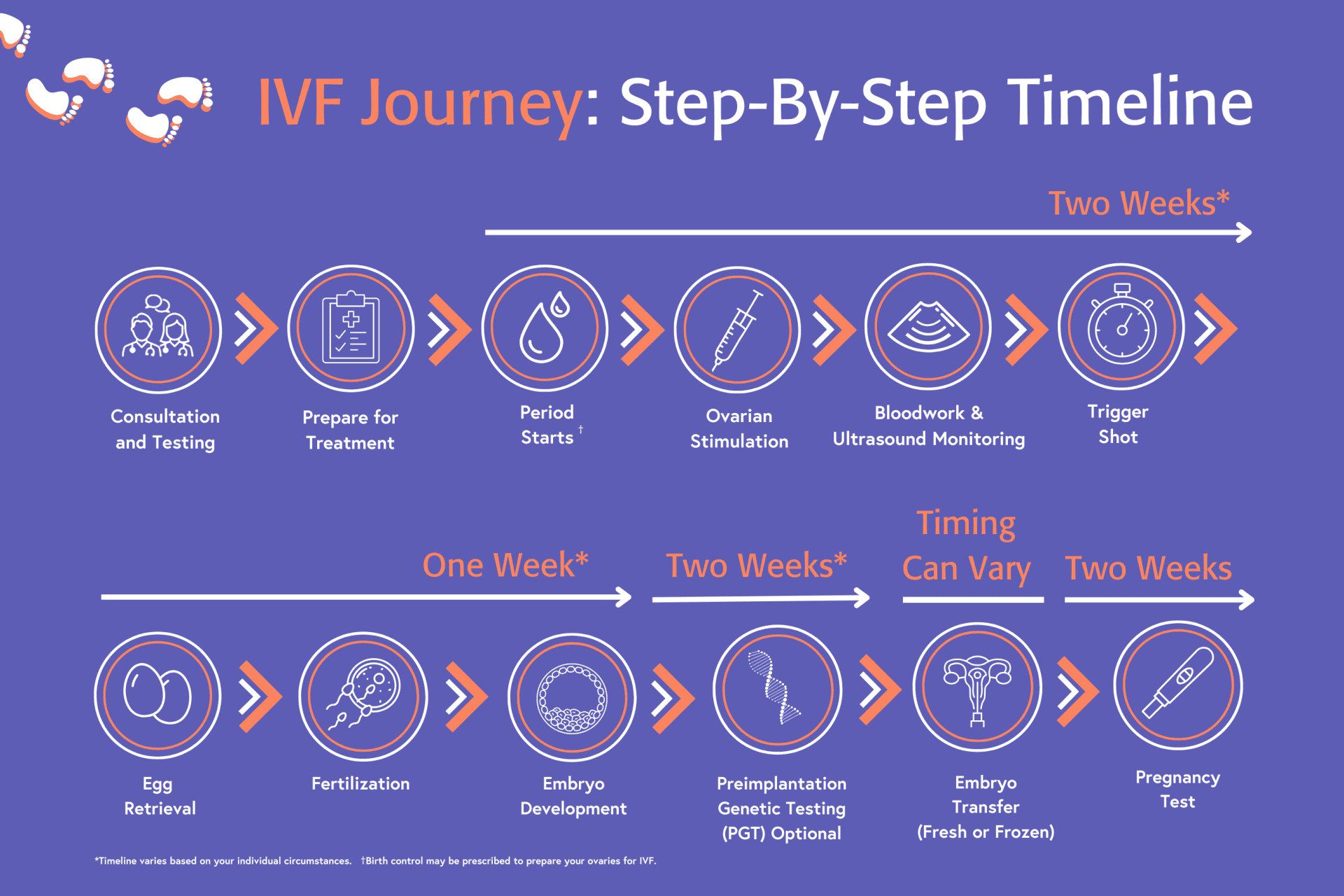
Credit: www.fcionline.com
Consulting Fertility Specialists
Consulting fertility specialists is a key step before planning egg retrieval while breastfeeding. Specialists offer expert advice tailored to your health and family goals. They consider hormone levels, medication safety, and your overall well-being. Clear communication with your doctor helps create the best plan for you.
Personalized Treatment Planning
Fertility specialists design treatment plans based on your unique needs. They assess how breastfeeding affects your hormone balance. Specialists adjust medication types and doses carefully. This reduces risks to milk supply and helps improve egg retrieval success. Your health and your baby’s safety remain top priorities.
Clinic Policies On Breastfeeding And Egg Retrieval
Many clinics have specific rules about breastfeeding during egg retrieval. Some require stopping breastfeeding temporarily to avoid medication risks. Others allow continued nursing with close monitoring. Always check your clinic’s policy before starting treatment. Knowing the rules helps you prepare and reduces stress.
Real Experiences And Insights
Understanding real experiences and expert insights helps clarify egg retrieval during breastfeeding. Many women face tough choices balancing fertility treatments and nursing. Listening to patient stories and medical advice provides a clearer picture.
Patient Stories From Fertility Forums
Many women share their egg retrieval journeys while breastfeeding on forums. Some report lower milk supply after fertility medications. Others mention hormone injections caused mood swings and fatigue.
Several women say doctors advised stopping breastfeeding temporarily. A few chose to pump and discard milk during treatment days. Most agree that emotional support from others helped them cope.
These stories show mixed experiences but common challenges. Breastfeeding can affect hormone levels, impacting egg retrieval success. Women often weigh risks and benefits based on personal needs.
Expert Opinions From Reproductive Endocrinologists
Reproductive endocrinologists explain that high prolactin from breastfeeding may block ovulation. This makes stimulating eggs harder. Some medications used in retrieval can reduce milk supply.
Doctors often recommend pausing breastfeeding to improve treatment outcomes. They discuss medication safety and possible effects on the baby. Experts advise careful timing and monitoring during the process.
Endocrinologists emphasize personalized care. Each woman’s health and fertility goals guide decisions. They encourage open dialogue about breastfeeding and fertility plans.
Frequently Asked Questions
What Is The 30/30/30 Rule For Breastfeeding?
The 30/30/30 rule for breastfeeding means feeding your baby for 30 minutes, burping for 30 seconds, then switching breasts for another 30 minutes. This helps ensure effective feeding and comfort for both mother and baby.
Do Ivf Babies Look Like Mom?
IVF babies look like their biological parents, including the mom, because they inherit DNA from both parents. IVF does not affect appearance.
How Soon After Giving Birth Can You Do Egg Retrieval?
Egg retrieval usually occurs after menstruation resumes, often 6-12 weeks postpartum. Consult your doctor before starting.
What Is The Success Rate Of Ivf While Breastfeeding?
Breastfeeding raises prolactin, which may lower IVF success by disrupting ovulation and hormone balance. Consult your doctor first.
Conclusion
Egg retrieval while breastfeeding is possible but comes with challenges. Hormones from breastfeeding may affect egg development and treatment success. Fertility medications can lower milk supply and may not be safe for nursing babies. Discuss your situation carefully with a fertility specialist.
They can guide you on timing and medication choices. Your health and your baby’s well-being come first. Understanding these factors helps you make the best decision for your family. Remember, each case is unique, so personalized advice is important.