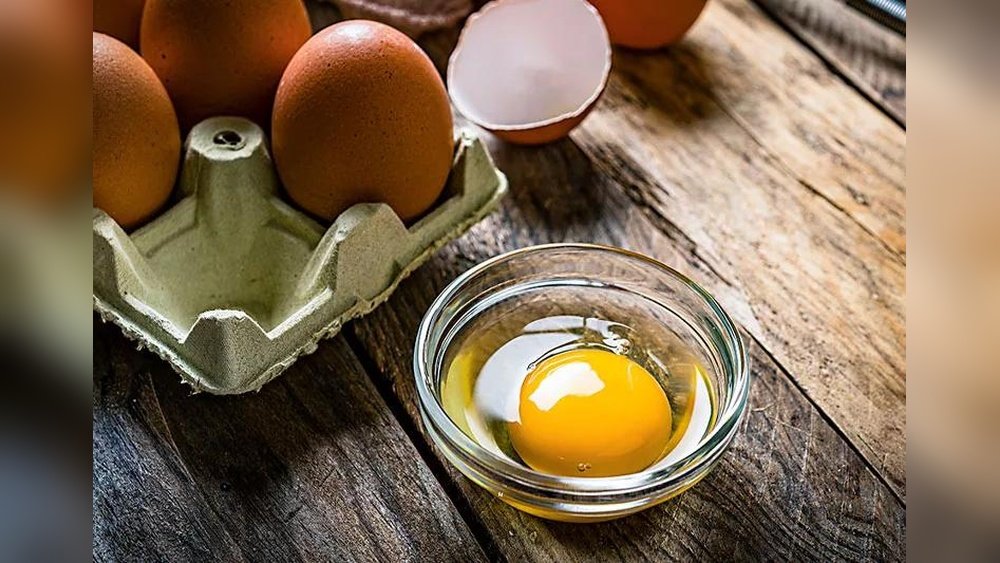
Can Eating Raw Eggs Kill You? You might have seen people cracking raw eggs into smoothies or daring themselves to swallow them straight from the shell.
But have you ever stopped to wonder—can eating raw eggs actually kill you? The idea sounds extreme, but the reality hides in the risks that come with those uncooked eggs. You could be exposing yourself to harmful bacteria without even realizing it.
You’ll discover the real dangers lurking inside raw eggs, how likely it is for you to get sick, and what simple steps you can take to protect your health. Keep reading, because what you don’t know about raw eggs could seriously impact your well-being.
Table of Contents
Risks Of Raw Eggs
Eating raw eggs carries certain health risks. These risks mainly come from bacteria that may be present in eggs. Understanding these dangers helps make safer food choices. Knowing the risks also guides how to handle and prepare eggs properly.
Salmonella Infection
Salmonella is a common bacteria found in raw eggs. It can live inside or on the shell. Eating eggs with Salmonella can cause food poisoning. This bacteria can multiply if eggs are not stored or handled well. Cooking eggs fully kills Salmonella and prevents infection.
Symptoms And Severity
Salmonella infection causes stomach pain, diarrhea, fever, and vomiting. Symptoms usually start within 6 to 72 hours after eating contaminated eggs. The illness can last about a week. Most people recover without treatment. Severe cases may need medical care or hospitalization.
High-risk Groups
Some people face higher risks from raw eggs. Young children have weaker immune systems. Older adults often have less resistance to infection. Pregnant women risk harm to their unborn babies. People with weak immune systems also have more severe symptoms. These groups should avoid raw eggs to stay safe.
Nutritional Benefits
Raw eggs have been eaten by some for their nutritional value. They offer many nutrients that support health. Understanding these benefits can help weigh risks and rewards.
Eggs are a rich source of essential nutrients. Eating them raw preserves some of these nutrients in their natural form.
Protein Absorption
Eggs contain high-quality protein. Raw egg whites have a protein called avidin. Avidin binds to biotin, a B-vitamin, reducing its absorption. Cooking eggs deactivates avidin, improving biotin availability. Still, raw eggs provide protein that the body can use. The protein in raw eggs is less digestible than cooked eggs. Cooking makes proteins easier to break down and absorb.
Key Nutrients
Raw eggs are rich in vitamins like B12, A, and D. They also contain minerals such as iron, phosphorus, and selenium. These nutrients support energy, immune health, and bone strength. Eating raw eggs preserves heat-sensitive vitamins. Fatty acids and antioxidants remain intact in raw eggs. These elements contribute to overall well-being.
Salmonella Statistics
Understanding salmonella statistics helps reveal the real risk of eating raw eggs. Salmonella is a bacteria that can cause food poisoning. It lives in some eggs, posing health risks.
Knowing how common salmonella is in eggs, illness rates, and contamination sources guides safer choices.
Prevalence In Eggs
Salmonella is found in less than 1% of all eggs. The chance is low but not zero. Contamination can happen inside the egg or on the shell surface. Farms with poor hygiene have higher risks. Proper egg handling reduces contamination chances.
Illness Rates
Each year, salmonella causes thousands of illnesses worldwide. Many people get sick from raw or undercooked eggs. Symptoms include diarrhea, fever, and stomach cramps. Most recover without medical help. Some cases need hospital care, especially for young children and older adults.
Contamination Sources
Salmonella can come from infected hens or dirty environments. Poor sanitation during egg collection and packaging adds risk. Cross-contamination in kitchens also spreads bacteria. Refrigeration slows bacterial growth but does not kill salmonella. Cooking eggs thoroughly kills the bacteria and prevents illness.
Credit: dranthonygustin.com
Reducing Risk
Reducing the risk of illness from raw eggs is crucial for safe consumption. Salmonella bacteria can cause serious health problems, especially for vulnerable people. Taking simple precautions lowers the chance of infection. These steps make eating eggs safer and more enjoyable.
Cooking Eggs Thoroughly
Heat kills harmful bacteria inside eggs. Cooking eggs until both whites and yolks are firm reduces risks. Avoid dishes with runny yolks if safety is a concern. Well-cooked eggs protect against salmonella and other germs. Boiling, frying, or scrambling eggs properly ensures safety.
Using Pasteurized Eggs
Pasteurized eggs have been heated gently to kill bacteria without cooking. They are safer to eat raw or lightly cooked. Many stores sell pasteurized eggs in cartons or shells. Use them for recipes like homemade mayonnaise or salad dressings. This option lowers infection risk while keeping texture and flavor.
Safe Handling Practices
Always store eggs in the refrigerator at or below 40°F (4°C). Wash hands before and after touching eggs. Avoid cross-contamination by keeping eggs away from other foods. Discard cracked or dirty eggs as they may harbor bacteria. Clean utensils and surfaces that contact raw eggs thoroughly.
Raw Eggs In Recipes
Raw eggs appear in many traditional and modern recipes. They add texture, flavor, and richness. People often use raw eggs in sauces, dressings, and desserts. Using raw eggs brings a unique taste that cooked eggs cannot match. However, the risk of bacteria like Salmonella is real. Understanding which dishes use raw eggs helps you decide what to eat safely.
Choosing safer options or alternatives can lower health risks. Knowing common dishes with raw eggs guides better food choices. Safer alternatives keep recipes tasty without the danger of raw eggs.
Common Dishes With Raw Eggs
Many popular dishes include raw eggs. Classic Caesar salad dressing often uses raw egg yolk. Homemade mayonnaise also calls for raw eggs to thicken the sauce. Tiramisu, a famous Italian dessert, contains raw egg in its creamy layers. Steak tartare is a raw beef dish topped with a raw egg yolk. In some cocktails, like the whiskey sour, raw eggs create a foamy texture. These dishes rely on raw eggs for flavor and texture.
Safer Alternatives
Pasteurized eggs are treated to kill bacteria but stay raw. They are safer to use in recipes needing raw eggs. You can also use cooked egg yolks or egg substitutes. Some recipes work well with mayonnaise bought from stores, which is safe and ready to eat. Blending silken tofu can replace raw eggs in dressings and desserts. These alternatives reduce the risk of food poisoning while keeping your dishes delicious.

Credit: saudereggs.com
Who Should Avoid Raw Eggs
Raw eggs can carry bacteria that cause illness. Some people should avoid eating them raw. Their bodies cannot fight infections easily. Knowing who is at risk helps prevent serious health problems.
Children And Elderly
Young children have weaker immune systems. They get sick more easily from bacteria in raw eggs. Older adults also lose some immune strength with age. Both groups face higher chances of severe illness. Avoiding raw eggs lowers their risk of food poisoning.
Pregnant Women
Pregnant women need extra care with food. Raw eggs may contain harmful bacteria. These can cause infections that affect both mother and baby. Salmonella infection during pregnancy can lead to complications. It is safer for pregnant women to eat cooked eggs only.
Immunocompromised Individuals
People with weak immune systems include those with illnesses or on certain medicines. Their bodies cannot fight infections well. Raw eggs may carry bacteria that cause serious illness for them. Avoiding raw eggs reduces the chance of dangerous infections.
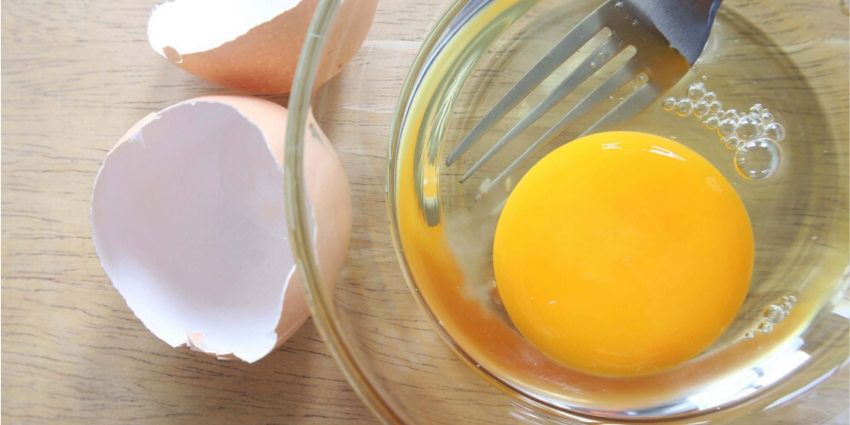
Credit: www.australianeggs.org.au
Frequently Asked Questions
What Happens If You Eat Raw Eggs?
Eating raw eggs can cause salmonella infection, leading to diarrhea, fever, cramps, and vomiting. Symptoms appear within days. Vulnerable groups face higher risks. Cooking or using pasteurized eggs prevents illness.
What Are The Odds Of Getting Sick From Raw Eggs?
The odds of getting sick from raw eggs depend on Salmonella presence, affecting about 1 in 20,000 eggs. Risk rises for children, elderly, pregnant, and immunocompromised people. Cooking or using pasteurized eggs eliminates this risk effectively.
Is It Safe To Eat Just Egg Raw?
Eating raw Just Egg may pose health risks similar to raw eggs, such as bacterial contamination. Cooking or using pasteurized versions ensures safety and better nutrient absorption. Avoid raw consumption to reduce foodborne illness risk, especially for vulnerable groups like children, pregnant women, and the elderly.
How Many Raw Eggs A Day Are Safe?
Consuming up to one raw egg daily is generally safe for healthy adults. Choose pasteurized eggs to reduce salmonella risk. Vulnerable groups should avoid raw eggs entirely. Always practice proper egg handling and storage to ensure safety.
Conclusion
Eating raw eggs carries a real risk of Salmonella infection. Symptoms like fever and cramps can be severe. Cooking eggs well kills harmful bacteria safely. Pasteurized eggs also reduce health risks when raw use is needed. Vulnerable people should avoid raw eggs to stay safe.
Handling eggs carefully helps prevent illness too. Choosing cooked or pasteurized eggs protects your health best. Stay informed and make safe choices with eggs every time.