Are you curious whether eating a raw egg can actually prevent pregnancy? It’s a question that might seem strange, but you’re not alone in wondering about it.
You want clear, honest answers because your health and choices matter. You’ll discover the facts behind this myth, what really affects pregnancy prevention, and why relying on raw eggs is not the solution you might hope for. Keep reading to get the truth and protect your well-being with facts, not rumors.
Credit: health.clevelandclinic.org
Table of Contents
Raw Egg And Pregnancy Myths
Many myths surround the topic of raw eggs and pregnancy. Some believe raw eggs can prevent pregnancy. These ideas often come from old wives’ tales or misunderstandings. It is important to separate fact from fiction. Understanding these myths helps avoid risky decisions.
Common Misconceptions
Some people think eating raw eggs stops pregnancy. This is not true. Raw eggs have no effect on conception or contraception. They do not prevent sperm from fertilizing an egg. No scientific study supports raw eggs as a pregnancy prevention method. Using raw eggs for birth control can lead to unintended pregnancies. Safe and proven methods should be used instead. Believing myths can cause harm and confusion.
Origins Of The Myth
The myth likely started from old cultural beliefs. In some places, eggs symbolize fertility or life. People may have linked eggs to pregnancy control by mistake. Another source is confusion with other natural remedies. Stories passed down through generations often change facts. Lack of education about reproduction also fuels myths. Modern science shows raw eggs have no role in birth control. Understanding history helps prevent repeating false beliefs.
Credit: anthonysiow.com
Scientific Facts On Raw Eggs
Raw eggs have been surrounded by many myths and beliefs related to health and pregnancy. Understanding the scientific facts about raw eggs helps clear up confusion. This section explores how raw eggs interact with the reproductive process and early pregnancy.
Eggs And Fertilization Process
Eggs we eat do not affect human fertilization. Fertilization happens inside a woman’s body, not through food. The egg released during ovulation is different from an egg in food. Eating raw eggs cannot stop or prevent sperm from fertilizing an egg. No scientific evidence supports raw eggs as a pregnancy prevention method.
Impact On Early Pregnancy
Raw eggs do not influence early pregnancy development. The embryo grows inside the uterus, protected from external factors like diet. Eating raw eggs carries a risk of infection from bacteria such as Salmonella. Such infections can harm the mother and the developing baby. Doctors recommend cooked or pasteurized eggs during pregnancy to avoid health risks.
Health Risks Of Raw Egg Consumption
Eating raw eggs carries health risks that many people do not realize. These risks become more serious for some groups, especially pregnant women. Understanding the dangers helps make safer food choices.
Raw eggs can contain harmful bacteria and cause infections. Knowing these risks can protect your health and the health of others around you.
Salmonella And Food Poisoning
Raw eggs may carry Salmonella bacteria. This bacteria causes food poisoning with symptoms like stomach pain, diarrhea, and fever. The infection can last for several days.
Salmonella is common in raw or undercooked eggs. Cooking eggs properly kills the bacteria and reduces risk. Eating raw eggs increases the chance of getting sick.
Risks During Pregnancy
Pregnant women must avoid raw eggs to protect themselves and their babies. Salmonella infection during pregnancy can cause serious complications.
Food poisoning may lead to dehydration and harm the unborn baby. It can increase the risk of miscarriage or premature birth. Pregnant women should eat only fully cooked or pasteurized eggs.
Credit: anthonysiow.com
Miscarriage Causes
Miscarriage happens when a pregnancy ends on its own before 20 weeks. It can be very painful and confusing. Many things cause miscarriage. Understanding these causes helps to know what happens in early pregnancy. It also clears myths about unusual ideas like raw eggs preventing pregnancy.
Most miscarriages occur due to natural problems in the baby’s development or health issues in the mother. Lifestyle choices also play a role. Here are the main causes explained simply.
Chromosomal Abnormalities
Chromosomes carry genes that guide baby’s growth. Sometimes, the number or structure of chromosomes is wrong. This causes the embryo to stop developing. Chromosomal problems happen by chance and are the top cause of early miscarriage.
Older maternal age raises the risk of these errors. The body often ends the pregnancy if the embryo cannot grow properly. This is nature’s way to protect the mother.
Maternal Health Factors
Health problems in the mother can lead to miscarriage. Conditions like diabetes or autoimmune diseases increase the risk. Problems in the uterus, such as fibroids or polyps, can also cause pregnancy loss.
Hormonal imbalances and blood clotting disorders make it harder for the pregnancy to continue. Managing health issues before and during pregnancy reduces these risks.
Lifestyle Influences
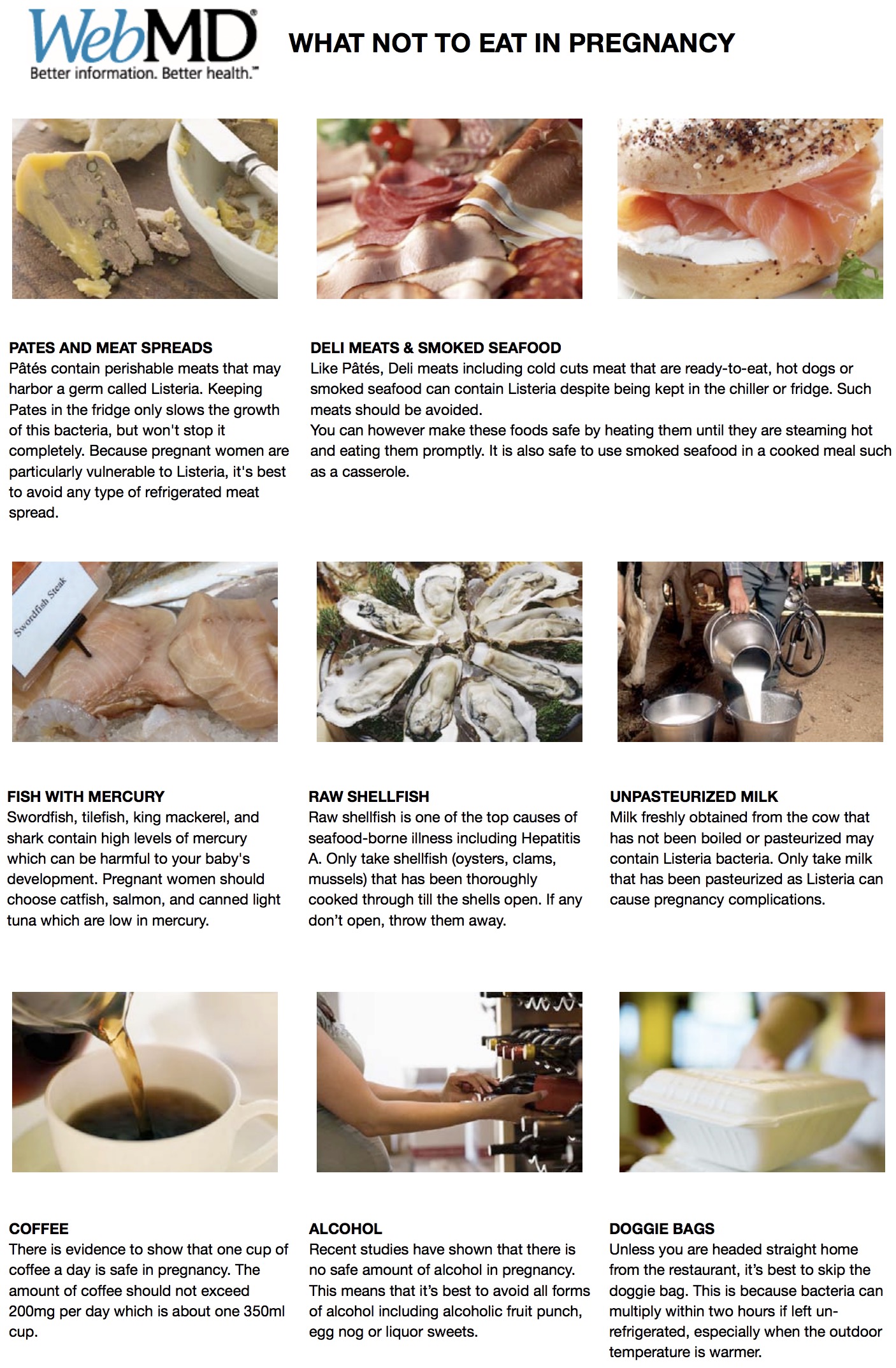
Habits affect pregnancy health. Smoking, drinking alcohol, and using certain drugs increase miscarriage chances. Poor diet and extreme stress also harm pregnancy.
Healthy living supports a safer pregnancy. Avoiding harmful substances and reducing stress improves outcomes for both mother and baby.
Safe Egg Consumption In Pregnancy
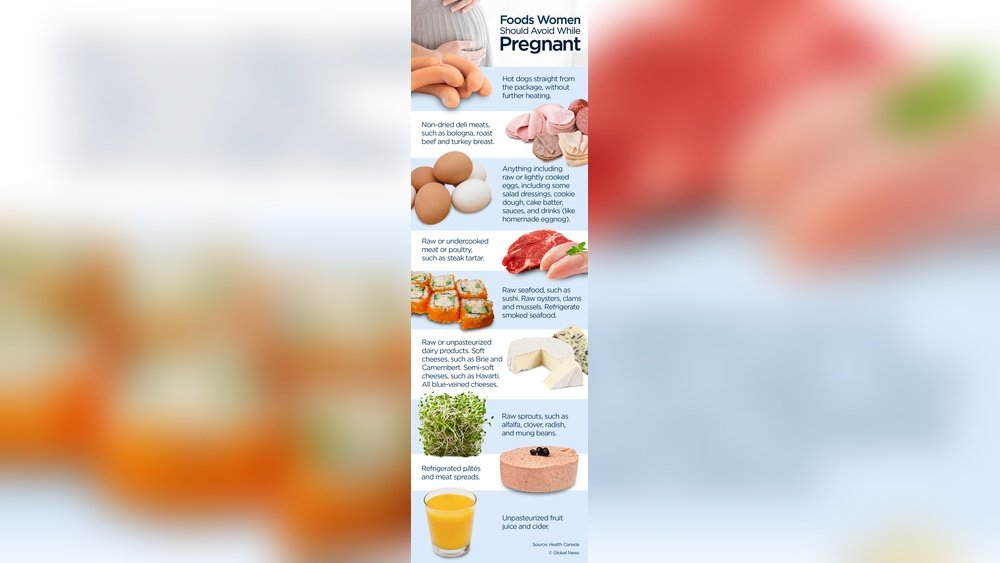
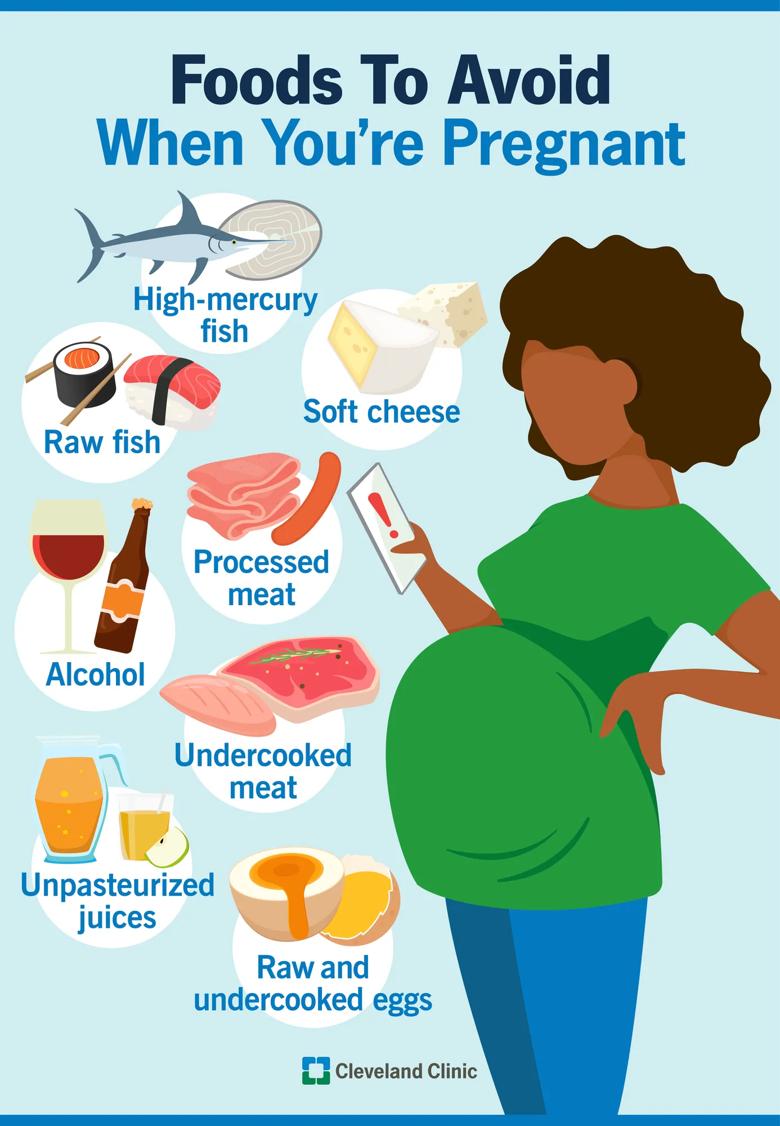
Eggs provide important nutrients for pregnant women. They support the baby’s brain and eye development. Eating eggs can be healthy during pregnancy. But safety matters a lot. Raw or undercooked eggs may carry harmful bacteria. These bacteria can cause serious illness in pregnant women. It is best to avoid raw eggs to protect both mother and baby.
Proper cooking or pasteurization kills bacteria in eggs. This makes eggs safe to eat. Following safe egg practices helps prevent food poisoning. Pregnant women should always choose fully cooked or pasteurized eggs. This simple step reduces health risks and supports a healthy pregnancy.
Cooking And Pasteurization
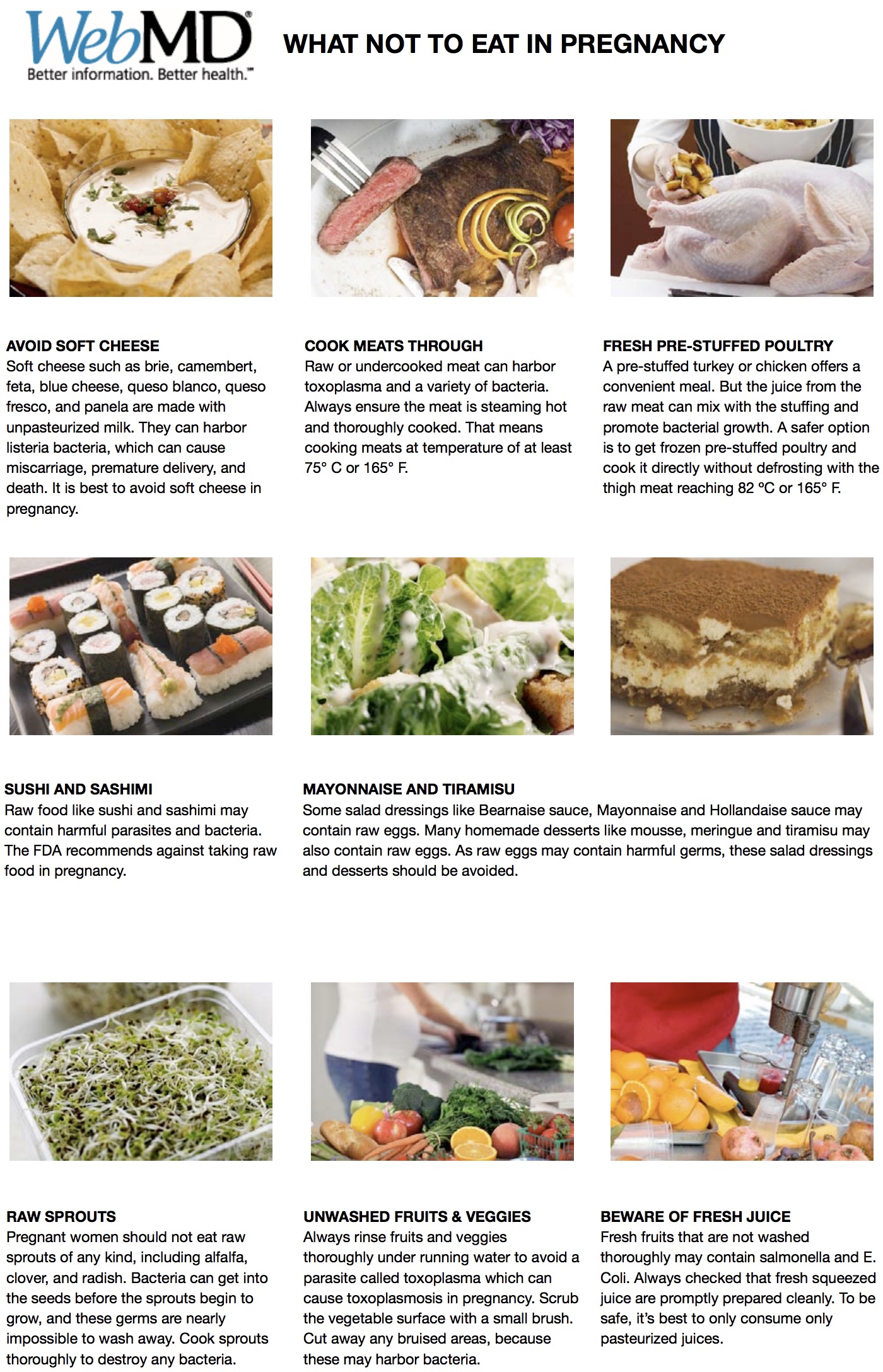
Cooking eggs until both yolk and white are firm is safest. Boiled, scrambled, or fried eggs cooked well kill bacteria. Avoid dishes with raw eggs like homemade mayonnaise or mousse. Pasteurized eggs go through a heat process to kill germs. These eggs are safe for recipes needing raw eggs. Choosing pasteurized eggs can lower risk during pregnancy.
Recommended Guidelines
Pregnant women should eat eggs that are fully cooked. Avoid raw or lightly cooked eggs entirely. Use pasteurized eggs for recipes needing raw eggs. Store eggs in the refrigerator to keep them fresh. Check expiration dates before use to ensure safety. Wash hands and kitchen surfaces after handling raw eggs. Following these guidelines helps keep mother and baby safe.
What To Do If You Eat Raw Egg While Pregnant
Eating raw eggs during pregnancy can raise concerns about health risks. Raw eggs may carry bacteria like Salmonella, which can harm both mother and baby. Knowing what steps to take after consuming raw eggs helps ensure safety and peace of mind.
Symptoms To Watch For
Look for stomach cramps, nausea, or vomiting after eating raw eggs. Diarrhea and fever may also appear within hours or days. Fatigue and muscle aches can signal infection. Keep track of any unusual or severe symptoms to act quickly.
When To Seek Medical Help
Contact a healthcare provider if symptoms worsen or last more than 24 hours. High fever, severe dehydration, or blood in stool needs urgent care. Pregnant women should not delay medical advice to protect their health and the baby’s well-being.
Frequently Asked Questions
What Does Raw Egg Do To Early Pregnancy?
Eating raw eggs during early pregnancy risks Salmonella infection, causing severe illness. This can harm the mother’s health but rarely directly affects the baby. Always choose fully cooked or pasteurized eggs to ensure safety and reduce infection risk.
What Is The Number One Cause For Miscarriage?
The number one cause of miscarriage is chromosomal abnormalities in the developing embryo or fetus.
What Happens If I Accidentally Eat A Raw Egg While Pregnant?
Accidentally eating a raw egg during pregnancy may cause Salmonella infection. It leads to vomiting, diarrhea, fever, and dehydration. Stay hydrated and contact your doctor if symptoms worsen. The infection usually does not harm the baby directly.
What Will Happen If You Eat A Little Bit Of Raw Egg?
Eating a small amount of raw egg may cause Salmonella infection, leading to nausea, vomiting, diarrhea, and fever.
Conclusion
Raw eggs do not prevent pregnancy. No scientific proof supports this idea. Using reliable birth control methods works best. Eating raw eggs can cause health risks. Always choose safe and tested contraception options. Protect your health and plan your family wisely.
Trust facts, not myths, for reproductive health. Stay informed and consult healthcare professionals when needed.