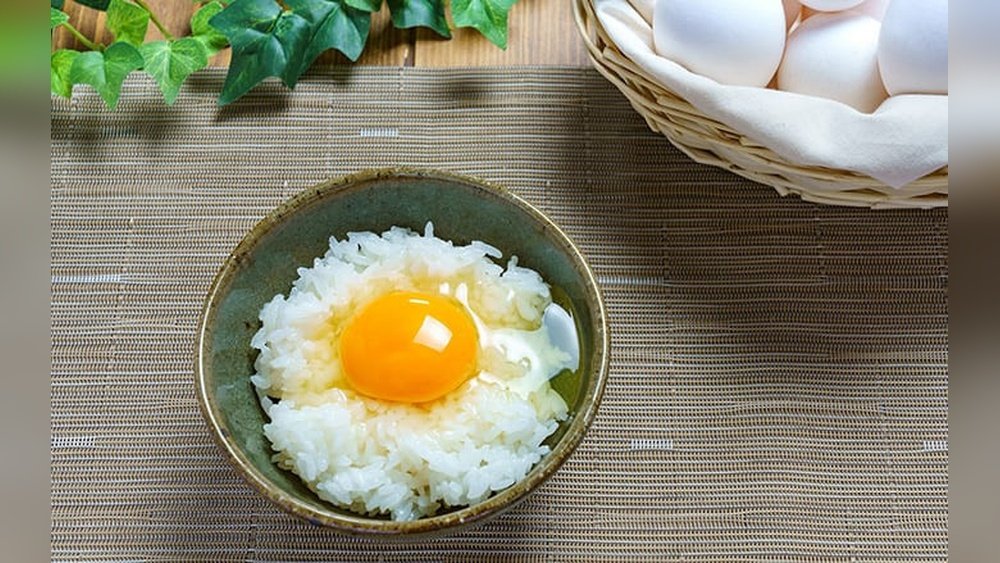
Are you someone who enjoys dishes made with raw or lightly cooked eggs, like Caesar dressing or homemade mayonnaise? If so, you might wonder, “Can raw eggs give me Salmonella?” It’s a common concern because Salmonella infection can cause unpleasant symptoms like diarrhea, fever, and cramps.
But how likely is it that the eggs in your kitchen carry this risk? And more importantly, how can you enjoy your favorite recipes without putting your health in danger? You’ll discover what Salmonella really is, how it can contaminate eggs, and simple, effective steps you can take to protect yourself and your loved ones.
Keep reading to learn how to enjoy eggs safely and confidently every time.
Credit: www.foodsafety.gov
Table of Contents
Salmonella And Raw Eggs
Salmonella is a type of bacteria that can contaminate raw eggs. This contamination may cause food poisoning, which can lead to stomach pain, diarrhea, and fever. Understanding how salmonella interacts with raw eggs helps reduce the risk of illness.
Not all eggs carry salmonella, but some do. Knowing where the bacteria come from and how to handle eggs safely is important.
Sources Of Contamination
Salmonella bacteria live in the intestines of birds, including hens. The bacteria spread through their droppings. Eggs can get contaminated if they touch dirty surfaces or infected feces. Contamination can happen outside or inside the egg.
How Bacteria Enter Eggs
Bacteria can enter eggs through cracks in the shell. Sometimes, the bacteria pass from the hen’s ovary to the egg before the shell forms. This means even clean eggs can have bacteria inside. Washing eggs does not always remove all bacteria.
Refrigeration’s Role
Keeping eggs cold slows down bacterial growth. At room temperature, eggs can sweat, creating moisture that helps bacteria enter. Refrigeration keeps eggs dry and safe. Always store eggs in the fridge and avoid leaving them out for long periods.

Credit: saudereggs.com
Risk Levels And Impact
Understanding the risk levels and impact of consuming raw eggs is essential. Salmonella bacteria can be present on the shell or inside the egg. This makes the risk real, but it varies depending on several factors. Knowing these can help you make safer choices.
Likelihood Of Infection
The chance of getting salmonella from raw eggs is low but not zero. Contamination happens if hens carry the bacteria or if eggs touch dirty surfaces. Proper storage and handling reduce this risk. Still, eating raw or undercooked eggs raises the chance of infection.
Potential Severity
Salmonella infection can cause serious illness. Symptoms include diarrhea, fever, stomach cramps, and vomiting. Most people recover within a week without treatment. Some cases need medical care, especially if dehydration occurs. Severe infections can be life-threatening in rare cases.
High-risk Groups
Certain groups face higher risks from salmonella. Young children, elderly adults, and pregnant women should avoid raw eggs. People with weak immune systems also have greater chances of severe illness. These groups should eat only cooked or pasteurized eggs to stay safe.
Symptoms Of Salmonella
Salmonella infection causes several unpleasant symptoms that often start within hours or days after eating contaminated food. Recognizing these symptoms early can help you manage the illness better. Symptoms mostly affect the digestive system, causing discomfort and distress.
Common Signs
Common signs of salmonella include diarrhea, which may be watery or bloody. You might also experience stomach cramps and abdominal pain. Fever is usual, sometimes accompanied by chills. Nausea and vomiting often occur, making it hard to keep food down. Headaches and muscle pains are less common but possible.
Duration And Recovery
Symptoms usually last four to seven days. Most people recover without special treatment. Staying hydrated is important during this time. Severe cases can last longer and may require medical care. Resting and avoiding solid food until vomiting stops helps recovery.
When To Seek Medical Help
Seek medical help if diarrhea lasts more than three days. Blood in stools or high fever above 102°F (39°C) needs attention. Signs of dehydration, such as dizziness or dry mouth, are serious. People with weak immune systems should see a doctor quickly. Young children and elderly adults should get medical care sooner.
Credit: health.clevelandclinic.org
Nutritional Value Of Raw Eggs
Raw eggs offer a range of nutrients vital for the body. Many people consume them for their rich nutritional content. Understanding the value of raw eggs helps in making informed dietary choices. This section explores the key nutritional aspects of raw eggs.
Protein Absorption
Raw eggs contain high-quality protein that supports muscle growth. The body absorbs protein from cooked eggs better than from raw. Raw egg whites have a protein called avidin, which can block biotin absorption. Cooking breaks down avidin, improving protein and nutrient uptake. Eating raw eggs may reduce the efficiency of protein absorption.
Nutrient Benefits
Raw eggs provide vitamins like A, D, E, and B12, essential for health. They also contain minerals such as iron, phosphorus, and selenium. Fats in raw eggs include healthy omega-3 fatty acids. Some nutrients remain sensitive to heat, present in higher amounts in raw eggs. Despite this, cooking eggs makes many nutrients easier to digest and use.
Safe Handling Practices
Handling raw eggs safely lowers the risk of salmonella infection. Eggs can carry bacteria on the shell or inside. Following safe practices keeps you and your family healthy.
Washing And Cleanliness
Wash your hands with soap before and after touching eggs. Clean all surfaces and utensils that contact raw eggs. Use hot, soapy water to kill bacteria. Avoid washing eggs under running water as it may spread bacteria.
Avoiding Cracked Eggs
Do not use eggs with cracked shells. Cracks let bacteria enter the egg easily. Always check eggs before buying and before using them. Discard any eggs that are damaged or leaking.
Proper Refrigeration
Store eggs in the refrigerator immediately after purchase. Keep eggs at or below 40°F (4°C) to slow bacterial growth. Avoid leaving eggs out at room temperature for long. Proper refrigeration helps keep eggs fresh and safe.
Cooking And Pasteurization
Cooking and pasteurization are two key methods to reduce the risk of salmonella from eggs. Heat kills the bacteria that may be present inside or on the shell. Proper handling and preparation are important to keep eggs safe.
Many people worry about eating raw eggs. Pasteurization offers a safer way to enjoy dishes that use raw or lightly cooked eggs. Understanding these methods helps you make safer food choices.
Benefits Of Cooking
Cooking eggs thoroughly kills salmonella bacteria. Heat breaks down harmful germs and makes eggs safe to eat. Simple cooking methods like boiling, frying, or scrambling can prevent illness. Well-cooked eggs are safer for children, elderly, and people with weak immune systems. Cooking also improves taste and texture.
Using Pasteurized Eggs
Pasteurized eggs are gently heated to kill bacteria without cooking the egg. These eggs are safe to use raw or lightly cooked. You can find pasteurized eggs in many grocery stores. They reduce the risk of salmonella in recipes like dressings or sauces. Pasteurization keeps eggs fresh and safe longer than raw eggs.
Recipes Suitable For Pasteurized Eggs
Pasteurized eggs work well in recipes that call for raw eggs. Caesar salad dressing, hollandaise sauce, and homemade mayonnaise are good examples. They are perfect for desserts like mousse or tiramisu. Using pasteurized eggs lets you enjoy these dishes safely. Always check the label to ensure eggs are pasteurized before use.
Common Myths About Raw Eggs
Many people believe raw eggs are unsafe because of Salmonella risks. These worries create myths that confuse egg lovers. Understanding truth from fiction helps you enjoy eggs safely. This section clears common myths about raw eggs and Salmonella.
Internet Claims Vs Facts
Some online posts say all raw eggs have Salmonella. This is not true. Only a small number of eggs carry the bacteria. Salmonella lives on eggshells or inside eggs, but proper handling lowers risk. Washing eggs does not remove bacteria inside. Refrigeration slows bacterial growth. Many people eat raw eggs without getting sick.
Claims that pasteurized eggs taste bad are false. Pasteurized eggs are heated just enough to kill bacteria but keep flavor. Internet sources also wrongly say cooking eggs removes all risks. Cooking reduces risk but does not guarantee safety if eggs are contaminated. Know facts before trusting internet advice.
Safe Consumption Tips
Choose pasteurized eggs for recipes using raw or lightly cooked eggs. These eggs are heat-treated to kill bacteria. Avoid cracked or dirty eggs, as bacteria can enter through cracks. Store eggs in the refrigerator at 40°F or below. Keep eggs cold until use. Always wash hands and surfaces after handling raw eggs.
Use eggs quickly and do not leave them out at room temperature. Cook eggs until yolks and whites are firm for best safety. For raw egg dishes, consider pasteurized egg products. These steps reduce Salmonella risk while enjoying eggs in many recipes.
Frequently Asked Questions
How Likely Is It To Get Salmonella From Raw Eggs?
The risk of getting Salmonella from raw eggs is low but real. Bacteria can be inside or on the shell. Use pasteurized eggs or cook thoroughly to stay safe. Refrigerate eggs promptly and avoid cracked ones to reduce contamination risk.
Vulnerable groups face higher risks.
What Happens If You Eat An Raw Egg?
Eating a raw egg risks salmonella infection, causing diarrhea, fever, cramps, and vomiting. Symptoms appear within days. Vulnerable people face severe illness. Cooking or using pasteurized eggs eliminates this risk.
How Long After Eating Raw Eggs Get Sick?
Symptoms of illness from raw eggs usually appear within 6 to 72 hours after consumption. Common signs include diarrhea, fever, cramps, and vomiting. Symptoms can last about a week. Vulnerable individuals may experience more severe effects. Cooking or using pasteurized eggs prevents this risk effectively.
Is Raw Egg Yolk Safe To Eat?
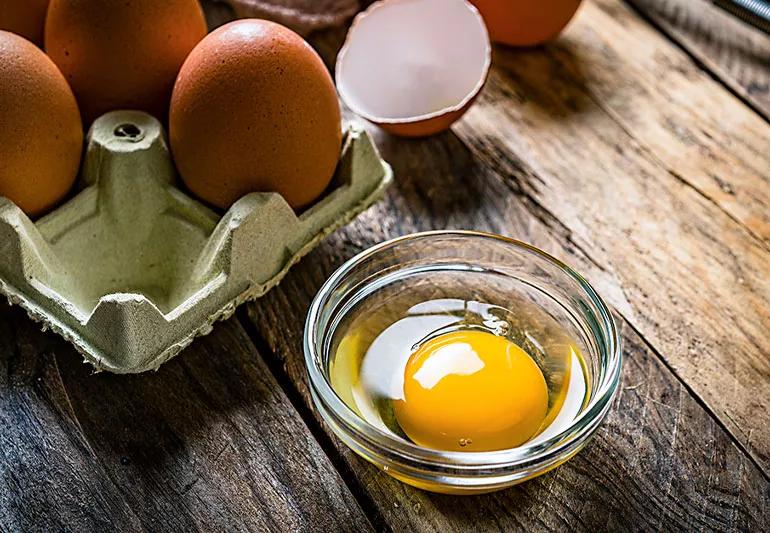
Raw egg yolk may contain Salmonella bacteria, posing a risk of food poisoning. Use pasteurized eggs or cook thoroughly to stay safe. Avoid cracked eggs and maintain hygiene to reduce contamination risk. Vulnerable groups should especially avoid raw yolks to prevent illness.
Conclusion
Raw eggs can carry Salmonella bacteria, posing health risks. The chance of infection is low but serious. Cooking eggs well or using pasteurized ones reduces this risk. Always store eggs in the refrigerator to keep them safe. Clean hands and surfaces after handling raw eggs.
Avoid eating cracked eggs or those left out too long. Taking these simple steps helps protect you and your family from illness. Stay cautious and enjoy eggs safely every time.